
 English
 Español
  Français
  Deutsch
  Татар теле
  Furlan
  Português
  العربية
  日本語
日本語  한국어
한국어 I suddenly felt like writing a guide on how to pretend to be a rich heiress
Guide to Pretending to Be a Rich Heiress – Luxury Items (Bags & More)
Since everyone has different spending habits and financial situations, I’m just sharing my personal perspective. After all, we’re calling this the “Guide to Pretending to Be a Rich Heiress,” so our core goal remains: “get the most out of every dollar.”
1. Bags
I’m highlighting bags separately because they’re truly unique. Opinions on them tend to be polarized. The reason for this divide lies in people’s different environments. Therefore, my first rule when choosing a bag is: Match the occasion!
Don’t carry a tiny mini bag when hiking; don’t bring a canvas tote to formal events (some think this shows “relaxed vibes,” but to others it looks extremely unrefined).
These are basic courtesies and show respect for the setting. Deeper down, whether you can appropriately match your outfit and handbag to the occasion reflects your upbringing and manners.
Don’t assume this is simple—it actually requires two key principles:
- A clear understanding and judgment of the event you’re attending.
- A well-rounded collection of bags so you can quickly find the right one for any situation.
Of course, some might say: “I’ll wear whatever I want—no one else’s business.” That’s true. For casual settings like grocery shopping, it doesn’t matter much—just like how the media often praises Guo Jingjing for being frugal at home (though she still chooses appropriate outfits for formal occasions). But if you get the setting wrong, you must be ready to accept the consequences of showing off too much.
Once you’ve met the basic requirements of appropriateness, you can move on to more advanced considerations—like price and design.
In reality, price and design are closely linked. A classic, elegant, high-quality bag—even if not from a top-tier brand—won’t be cheap.
Also, avoid counterfeit versions of designer monogram patterns found in wholesale markets!
In fact, during the early stages of buying bags, I’d suggest steering clear of monogram designs and opting instead for solid colors.
Should You Buy Luxury Bags?
My advice is: if you can afford three or more luxury bags, go ahead. If not, think carefully.
The logic here is simple: always carrying just one designer bag makes it seem like you went all-in to afford that single piece. After all, once you wear it, you’re already playing the game.
If you have the budget, consider designer brands with strong signature styles (but note that these usually aren’t investment pieces). Examples include LEMAIRE’s horn-shaped bag, Maison Margiela, and JACQUEMUS.
I remember back in 2019, there was a trend toward niche international brands (mainly promoted by influencers), and even now, several of those designs remain excellent. You can check platforms like Xianyu for nearly new models.
Secondhand Luxury Bags
When evaluating secondhand designer bags, keep three things in mind:
- Authenticity — must be guaranteed.
- Reasonable pricing.
- Good condition.
The advantage of secondhand is reduced brand markup. Still, I personally recommend buying new through official channels whenever possible—simply to minimize mental stress.
In my opinion, aim to own at least three designer bags:
- A chain bag priced around 200 $ (e.g., YSL, GUCCI)
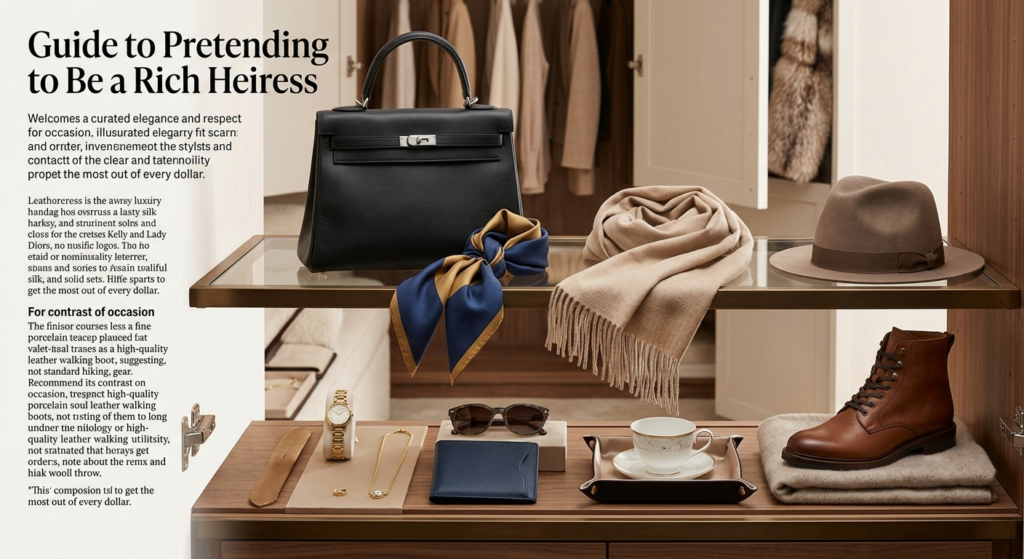
- A beautifully designed, iconic or signature handbag for formal occasions (e.g., Dior Lady Dior, Chanel Classic Flap, LV classics, LOEWE Puzzle)
- A spacious classic tote or backpack (e.g., Chloe, Dior Tote, Hermès’ “poor man’s trio”)
As for high-end replicas: To be blunt, if you’re buying solely for the logo, better avoid them altogether. Signature luxury pieces best reflect one’s inner spirit.
I believe having just two standout luxury items in your wardrobe is enough.
Other Luxury Items
- Cashmere products: cashmere scarves, shawls, sweaters, cardigans, etc. For a more advanced option, consider yak wool.
- Heavy silk scarves and blouses. (For styling purposes, it’s not recommended to wear them together.) Other silk items such as dresses and small scarves. Silk materials also include Xiangyunsha and Song brocade.
- Designer shoes — mentioned earlier, feel free to check it out.
- Fur. If you’re environmentally conscious, please ignore this and respect others’ preferences. At the ball during the “King of Understanding” inauguration ceremony, celebrities gathered in full force. Since the temperature that night in DC was quite low, many women wrapped themselves in fur while waiting to enter. It left a profound impression on me—so beautiful! Two phrases instantly popped into my mind: “fragrance of silk and shadow of hair,” “drunk on gold and dazzled by luxury.” If wearing it all over feels bulky, consider opting for shorter half-length pieces or vests. You can also keep a stole or a fur collar handy.
- Jewelry. Always go for real gold and silver! Prioritize classic and minimalist designs, and purchase from reputable department store jewelry counters. Many brands come with high markups—like Bulgari or Van Cleef & Arpels. If you’re not comfortable with such brand premiums, consider custom-made pieces instead. Personally, I recommend classic pieces with strong design appeal but without excessive brand premium. As long as they’re genuine gold and silver, you can find them at places like Chow Tai Fook or Luk Fook. Watches are relatively more valuable in the long run.
- Hats — mainly two types: one, baseball caps with designer or university logos; two, well-designed hats made of quality materials.
Luxury Goods Philosophy
As a topic we can’t avoid, I’ve thought long and hard. In the end, I boil it down to four words: act within your means.
You can research quietly on your own, but avoid frequently discussing it in real life. When luxury items naturally blend into daily life, who would really care?
Money-saving tips:
- Consider buying secondhand or pre-owned items.
- For bags or accessories used very infrequently, renting might be a good option.
- For non-bag items with strong brand recognition and bold styling, you can either buy secondhand or purchase directly from stores.
Recommended items:
- CÉLINE Arc de Triomphe belts, LOEWE belts, etc.
- Designer scarves or stoles — great because they cover large areas.
- Sunglasses (preferably styles where the logo is subtle and only noticeable upon close inspection).
- Hats.
- Secondhand trench coats (depends on finding the right one).
- Cardholders.
- Shirts with distinctive features (e.g., classic stripes or signature cuts), but avoid those with large logos.
Luxury items to avoid:
- Shirts or T-shirts with obvious brand names unless your personal style is deliberately flashy and ostentatious.
- Tote bags or canvas bags with brand names clearly displayed.
- Anything significantly beyond your budget.
- Items that may be nice but have a poor reputation — such as D&G.
- Counterfeits.